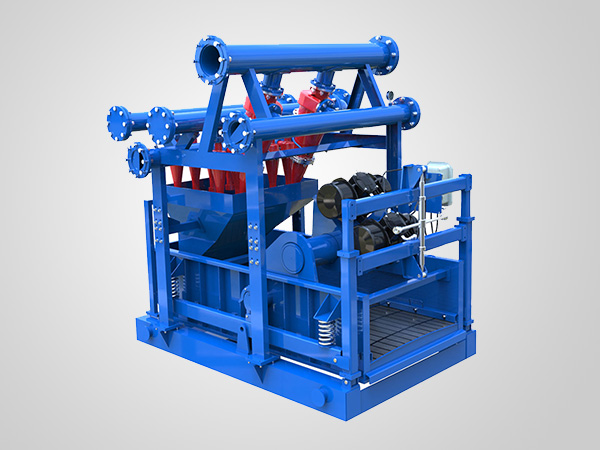
Slurry Separation System: Technical Application and Value Analysis for Construction

The rapid growth of urban infrastructure projects, including shield tunneling, deep piling, and trenchless piping, has made effective construction slurry management critical for maintaining project timelines and meeting environmental compliance requirements.The slurry separation system has emerged as the industry-standard solution for efficient solid-liquid separation. KOSUN offers advanced slurry separation systems designed to meet the demanding needs of modern underground construction.
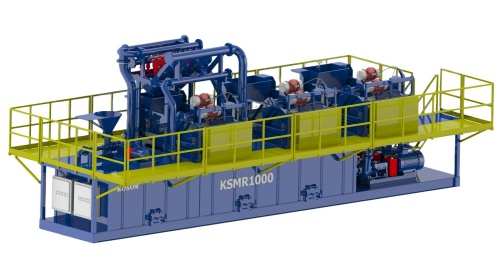
Technical Core: Multi-Stage Solid-Liquid Separation Process

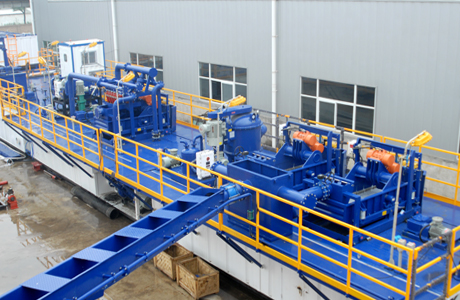
The slurry separation system is an integrated system of solids control units designed for slurry recycling and waste minimization:

Pre-treatment: Scalping screens remove bulk gravel and clay clumps to protect downstream equipment.

Sand & Silt Removal: Desander and desilter hydrocyclones utilize centrifugal force to separate medium-to-fine particles.

Dewatering: For high-clay slurry, chemical conditioning promotes flocculation. Decanter centrifuges and filter presses produce low-moisture filter cakes for easy disposal.

Fluid Reuse: Purified liquid is pumped back for immediate reuse, maintaining a closed-loop operation.

KOSUN’s slurry separation systems integrate high-quality components for reliable, continuous performance in demanding construction environments.
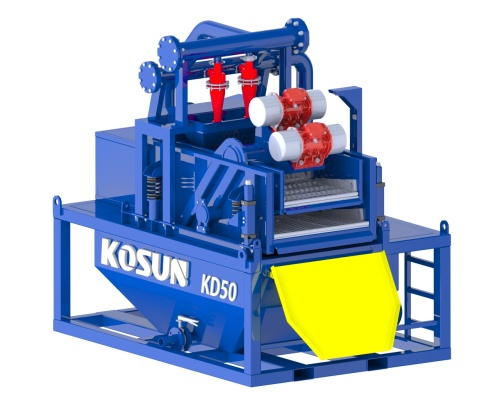
Professional Alignment with Industry Application Scenarios

Slurry separation systems offer high adaptability across four core underground engineering sectors:

Slurry Balance Shield (TBM)

The slurry separation system handles high flow rates while precisely controlling slurry density and viscosity to maintain stable face pressure. KOSUN’s systems are engineered for the demanding conditions of TBM tunneling.

Bored Piling

Provides compact, rapid-deployment solutions for rotary, reverse circulation, and impact drilling. KOSUN designs its piling systems for efficient solids control in confined urban sites.

Diaphragm Walls

Supports trenching with hydraulic grabs or cutters, ensuring slurry stability and trench quality. KOSUN’s diaphragm wall systems deliver consistent performance in challenging ground conditions.

Trenchless Construction

Rapidly purifies slurry in HDD and pipe jacking to minimize urban environmental impact. KOSUN designs its trenchless systems for mobility and efficiency in space-limited environments.

Value Realization: Compliance and Cost Optimization

Environmental Benefits

Slurry separation systems achieve waste minimization at the source, eliminating the pollution risks of traditional mud pits and meeting green construction standards.KOSUN designs its systems for closed-loop operation, minimizing environmental impact.

Economic Benefits

Recycling significantly reduces fresh water and bentonite costs. In addition, dewatered filter cakes reduce waste volume and transportation costs, improving overall operational efficiency.KOSUN’s systems deliver measurable ROI through reduced material consumption and disposal costs.

Conclusion

The slurry separation system is an essential component of modern underground engineering. Optimal system selection requires a scientific analysis of the excavation strata to balance performance and cost-effectiveness. KOSUN provides customized designs tailored to global geological conditions and specific onsite requirements, ensuring reliable performance and maximum value.
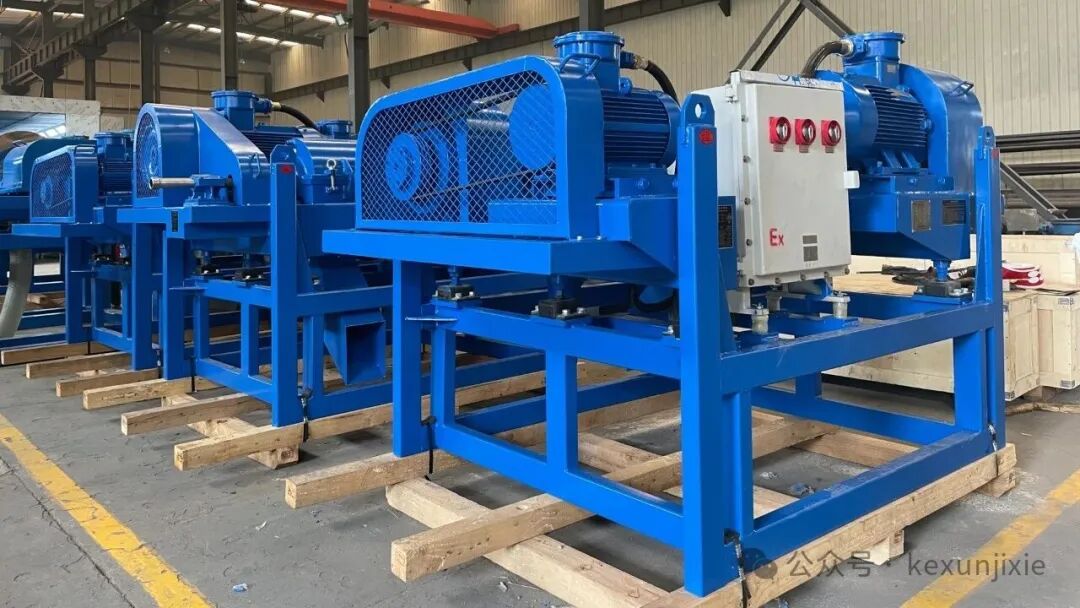
Centrifuge: Essential Support for Oil and Gas Operations

The oil and gas industry faces increasing challenges in efficiently extracting and processing crude oil and natural gas. A centrifuge provides an effective solution by using centrifugal force to separate solids from liquids. It is widely used for dewatering, clarification, and separation of oils and drilling fluids. KOSUN offers a comprehensive range of centrifuges designed for high-performance separation in demanding oilfield applications.

The Role of the Centrifuge in Oil and Gas Production

Centrifuges play an important role in oil and gas operations by separating components of mixtures according to density through high-speed rotation.

One of the main applications is dewatering. During extraction, oil and gas are often mixed with water. Centrifuges efficiently separate water from hydrocarbons, making crude oil easier to transport and process.

Centrifuges are also used for liquid clarification, removing impurities such as sand, solids, and water to improve oil quality. In addition, they separate drilling fluids from cuttings, allowing companies to recover valuable fluids, reduce waste, and improve drilling efficiency. KOSUN centrifuges are designed to handle complex separation tasks with reliability and high performance.

Why Centrifuges Are Essential for the Oil and Gas Industry

Centrifuges have become essential equipment due to their efficiency, versatility, and cost-saving benefits. They can process large volumes of fluids quickly, helping companies improve productivity and meet growing energy demands.

Their ability to perform multiple functions, including dewatering, clarification, separation, and waste management, makes them suitable for various oilfield applications.

Centrifuges also reduce operational costs by improving oil recovery, lowering transportation expenses, and minimizing waste disposal. By removing impurities and improving fluid quality, they help ensure that final products meet industry standards and maintain market value.

Sustainability and Environmental Benefits

Centrifuges support more sustainable oil and gas operations by reducing waste and improving resource recovery. They allow companies to separate valuable materials from drilling fluids and cuttings for reuse or proper disposal.

They also improve water management by separating water from crude oil, reducing freshwater consumption. By increasing efficiency and minimizing waste, centrifuges help lower energy use and greenhouse gas emissions.

Additionally, automated centrifuge systems reduce manual handling, improving workplace safety and limiting exposure to hazardous materials.

Risks, Challenges, and Best Practices

Although centrifuges provide many advantages, they require proper operation and maintenance. High-speed rotation and abrasive materials can cause equipment wear, resulting in downtime and repair costs.

Operators need adequate training to ensure efficient performance and handle potential issues. Proper treatment and disposal of separated oily sludge are also necessary to prevent environmental contamination.

To maximize performance, companies should invest in reliable equipment, regular maintenance, operator training, and technical support. KOSUN provides comprehensive services to help customers extend equipment lifespan and achieve efficient operations.

Conclusion

Centrifuges are essential for modern oil and gas operations, helping companies improve separation efficiency, reduce waste, manage resources, and enhance safety. With proper maintenance and operation, centrifuges contribute to more efficient and sustainable oilfield production.

KOSUN is committed to providing high-performance centrifuges and professional support to help customers achieve their operational and environmental goals.

Solids Control System: Key Components for Drilling Efficiency

A solids control system within the drilling program is an important but often overlooked part of the well construction process. Having an effective system in place minimizes overall operational costs by:

  • Helping lower fluid dilution rates
  • Reducing the volume of required additives
  • Improving drilling fluid/mud properties, allowing higher flow rates
  • Extending the life of the drilling fluid

Additionally, a sound solids-control system helps ensure environmental and regulatory compliance, an important issue in many regions today. KOSUN has been a trusted partner in solids control for over 30 years, providing reliable solids control systems to drilling operations worldwide.

The Solids Control System: Key Components

A solids control system contains many components, some of which are standard on the rig, while others are added for specific well conditions and drilling environments. However, the system must be the right fit for the rig and work efficiently with the operator’s drilling program. Each component must be evaluated for efficiency and to ensure it complements the existing rig system. For example, the centrifuges must be properly sized to match the fluid rates.

As solids progress through the drilling mud circulation system, the different components — such as shaker screens — separate and remove solids according to size. A well-designed system can remove most solids, down to the smallest particle. The re-conditioned, clean mud can be reused in the drilling process while the solids are hauled away from the wellsite and disposed. KOSUN’s comprehensive range of solids control systems ensures seamless integration and optimal performance at every stage.

Modern Solutions and Best Practices

Today’s solids control system may include instrumented surface measuring of the fluids system that provide automated monitoring of the circulating system and solids control equipment. If set up and managed properly, operators can get the most benefits from their fluids system and be sure that they have an effective system in place. The next phase in solids control is the introduction of a closed-loop system for increased environmental control and reduced risk of drilling fluid spills. A closed-loop  system can eliminate the need for a conventional reserve pit and can further reduce waste management costs.

KOSUN offers advanced closed-loop solids control systems that help operators achieve environmental compliance while improving operational efficiency. We design our solutions to adapt to diverse drilling conditions and meet regulatory requirements.

Evaluating Your System

If you are unsure how effective your solids control system is, not certain if you have the right equipment on site, or are wondering if your wellsite processes need review, KOSUN can help. Our years of experience drive system designs that consistently lower overall mud costs for clients. We consult with operators to design the best system for each well — including everything from discrete services like mud and screens to fluids engineering to complex closed-loop systems to haul-off and disposal.

More importantly, we understand the total fluids life cycle and can prepare for many contingencies based on well conditions. Contact KOSUN today for the latest in drilling fluids technology and solutions.

Conclusion

A solids control system is a critical component of efficient and cost-effective drilling operations. By implementing a well-designed system with the right equipment and support, operators can reduce costs, improve fluid performance, and achieve environmental compliance. KOSUN helps customers optimize drilling operations by providing reliable solids control systems and expert support.

Best Practices for Operating Oilfield Mud Cleaning Equipment

Deep-well drilling requires precise surface fluid management. As drilling mud circulates through the wellbore, it returns carrying drilled solids, reactive clays, and abrasive sands. While shale shakers remove large cuttings, fine and ultra-fine particles often remain in the system. Mud cleaning equipment provides the secondary purification needed to remove these contaminants and maintain optimal mud performance.

Proper operation requires balancing fine-particle removal with the preservation of valuable drilling fluids and weighting materials. When managed correctly, mud cleaning equipment prevents the buildup of abrasive solids that accelerate wear on downhole tools, damage mud pumps, and reduce drilling efficiency.

Technical Performance of Mud Cleaning Equipment

Modern mud cleaning equipment combines hydrocyclones with a high-frequency vibrating screen to provide efficient secondary solids control while minimizing equipment footprint.

Drilling mud is pumped into hydrocyclones, where centrifugal force separates heavier solids from the fluid. Clean mud exits through the vortex finder and returns to the active system, while concentrated solids discharge onto fine-mesh screens for final separation. This two-stage process effectively removes harmful sand and silt while retaining valuable weighting agents such as barite.

Optimizing Throughput Capacity

Peak performance depends on maintaining stable feed pressure throughout the system. Treating the mud cleaner as part of an integrated solids control process—not as a standalone unit—is essential.

Low feed pressure weakens the cyclone vortex, allowing unprocessed slurry to overload the screen panels, reducing efficiency and increasing mud losses. Excessive pressure creates turbulence that carries fine solids back into the clean mud stream. Maintaining a consistent, calibrated feed rate ensures efficient separation and reliable system performance.

Preventive Maintenance

Hydrocyclones operate under continuous abrasive conditions and require routine inspection to maintain separation efficiency.

Operators should regularly inspect cone interiors for wear, erosion, and inlet blockages that disrupt flow patterns. The discharge apex should produce a hollow umbrella-shaped spray. A thick, solid discharge, known as “roping,” indicates an overloaded or plugged cone that requires immediate cleaning to prevent screen damage and reduced performance.

Maintaining Structural Stability

The vibrating screen basket plays a critical role in equipment performance and screen life. A heavy-duty frame evenly distributes high G-forces, reducing structural stress and minimizing vibration.

Screen panels must be properly tensioned and fully supported to prevent premature mesh failure. Maintaining the correct deck angle and selecting the appropriate screen mesh for formation conditions improves solids removal, extends screen life, minimizes fluid loss, and supports efficient closed-loop mud recycling.

Conclusion

Mud cleaning equipment is essential for advanced drilling fluid purification. By maintaining stable operating conditions, optimizing feed pressure, performing regular hydrocyclone maintenance, and ensuring proper screen installation, operators can maximize separation efficiency, reduce equipment wear, minimize downtime, and improve overall drilling performance.

As a leading manufacturer of drilling solids control equipment, KOSUN Machinery delivers reliable, high-performance mud cleaning solutions. These solutions help oilfield operators improve operational efficiency, reduce environmental impact, and achieve safer, more cost-effective drilling operations.