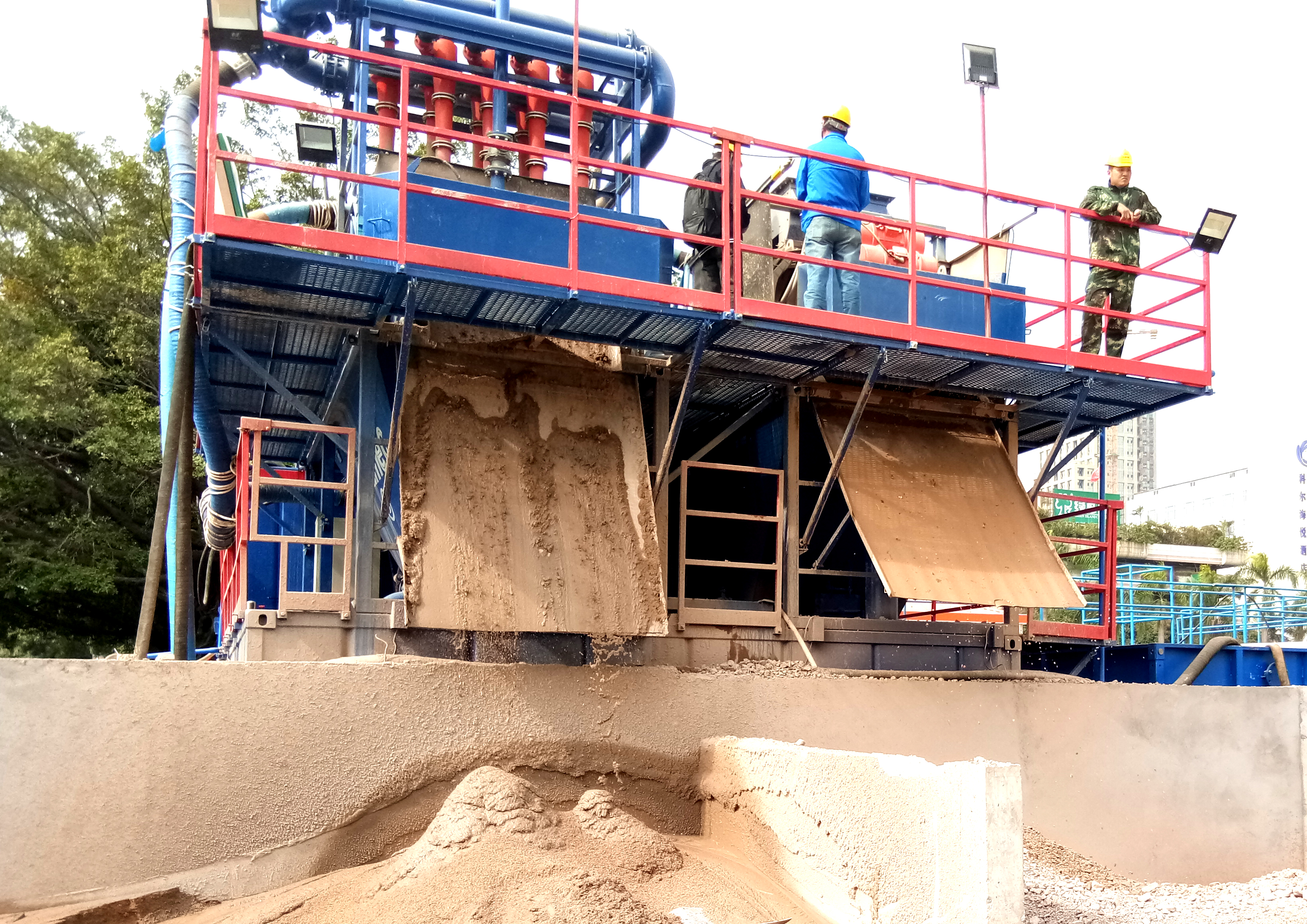
Shale Shaker Application in Energy Infrastructure Projects

Shale shakers are the first line of defense in solids control for energy infrastructure projects. By efficiently separating drill cuttings from drilling fluid, they directly influence operational efficiency, environmental compliance, and cost management. In large-scale applications such as pipeline installations, well pad construction, and directional drilling, reliable solids removal is non-negotiable. These high-frequency vibrating screens condition drilling fluid for reuse, reduce waste volumes, and help maintain borehole stability. KOSUN offers rugged shale shakers engineered for reliable performance in demanding energy infrastructure projects.
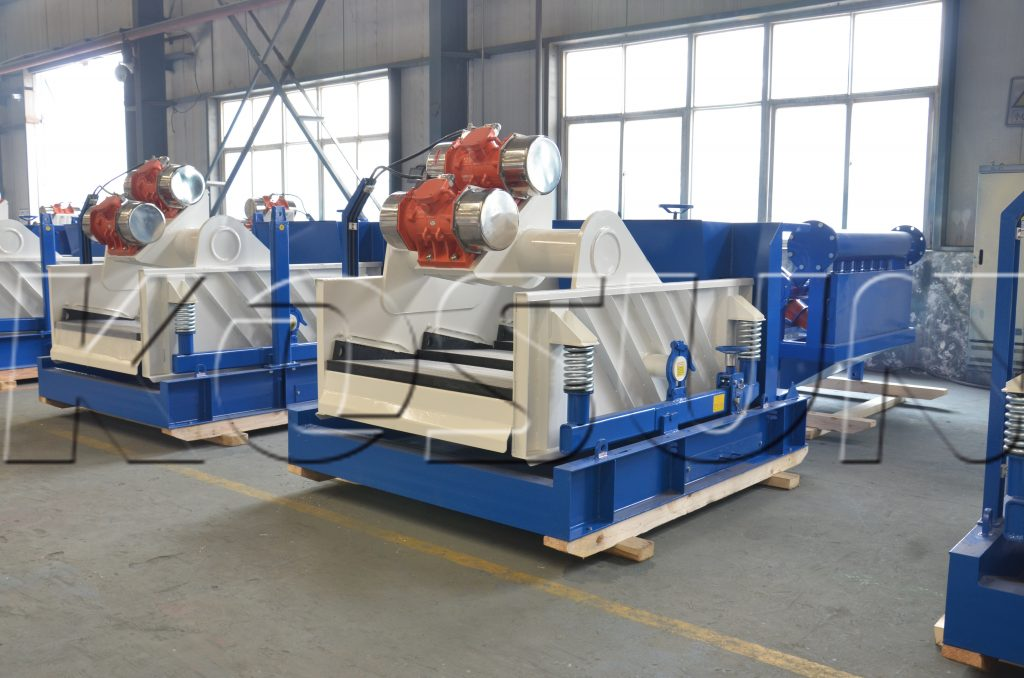
Core Functions and Operational Benefits

The primary function of a shale shaker is to separate solids from drilling fluid using high-frequency vibration. Larger cuttings are retained while clean fluid returns to the active mud system. This first line of defense protects downstream equipment — desanders, desilters, and centrifuges — from excessive wear and premature failure.

In remote energy projects where logistics are challenging, an efficient shale shaker reduces costly fluid dilution and disposal, minimizes environmental footprint, and lowers handling costs. Proper screening also improves on-site safety by managing slurry pits, reducing spill risks, and preventing hazardous cutting buildup. By optimizing solids removal, shale shakers deliver measurable gains in equipment longevity, safety, and cost efficiency.

Selection Criteria for Project Success

Choosing the right shale shaker requires evaluating several factors. Screen mesh size must match formation geology and balance fluid throughput with separation efficiency. Flow capacity must align with rig pumping output to prevent bottlenecks.

Motion type matters: linear-motion shakers excel with fine solids or sticky clays, while elliptical-motion shakers offer better fluid recovery under variable conditions. Durability features include robust 24/7 construction, tool-free screen replacement, and weather resistance. Environmental adaptability ensures reliable performance in extreme heat, cold, humidity, or dust — typical of large-scale pipeline and directional drilling projects.

Integration with Modern Drilling

Modern energy projects integrate shale shakers with digital monitoring systems. Sensors track vibration, flow rates, and screen integrity, delivering real-time data for predictive maintenance — identifying issues before they cause downtime. As drilling fluids become more complex, shale shakers must continually adapt to ensure optimal wellbore stability and consistent drilling progress.

KOSUN’s Commitment to Quality

KOSUN provides rugged shale shakers built for 24/7 operation . They deliver efficient separation, easy maintenance, and reduced waste, helping project managers achieve more with less environmental impact.

Conclusion

Shale shakers are indispensable for efficient solids control in energy infrastructure projects. By removing solids early, they protect downstream equipment, enable mud recycling, ensure environmental compliance, and prevent wellbore instability. With advances in screen technology, automation, and energy efficiency, modern shale shakers are essential for improving drilling performance and minimizing operational risks. KOSUN is committed to providing high-performance shale shakers and expert support to help customers achieve their project goals.
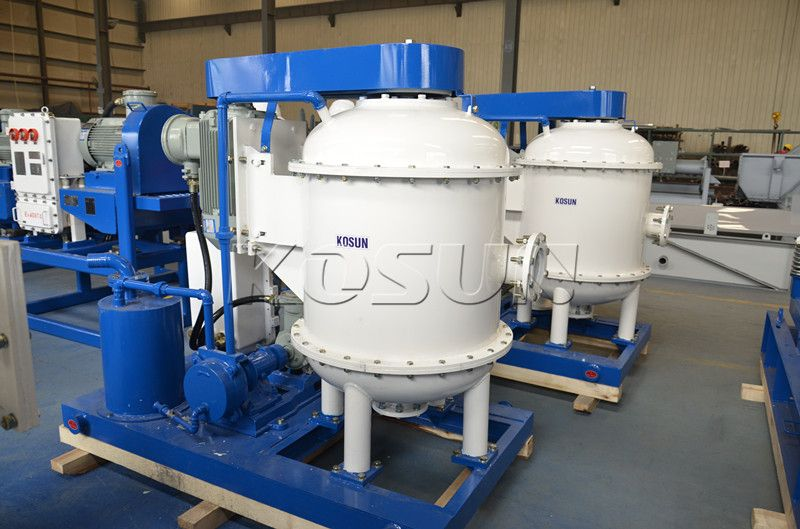
Vacuum Degasser: Extend Mud Pump and Centrifuge Service Life

How Vacuum Degassers Extend the Service Life of Mud Pumps and Centrifuges

Against the backdrop of the global drilling industry’s pursuit of cost reduction and efficiency enhancement in 2026, minimizing Non-Productive Time (NPT) has become a core objective. Beyond controlling solids content, eliminating micro-bubbles from drilling fluids is critical to protecting expensive solids control assets and reducing maintenance expenditures. Pre-treatment via a Vacuum Degasser is, in essence, a high-yield investment in asset integrity. KOSUN offers advanced vacuum degassers engineered to protect downstream equipment and extend service life.

Microscopic Cavitation Damage to Precision Metal Surfaces

When gas-cut mud enters centrifugal pumps or high-speed decanter centrifuges, it triggers destructive cavitation. As gas bubbles collapse abruptly in high-pressure zones, the resulting shockwaves repeatedly strike impellers and bearings. Originally smooth metal surfaces become pitted like honeycombs or suffer large-scale spalling, leading directly to the premature scrapping of core components. KOSUN’s vacuum degassers effectively remove entrained gas, preventing cavitation and protecting critical equipment.

Hidden Costs of Volumetric Efficiency Loss and System Energy Consumption

Due to the compressibility of gases, when a mud pump processes gas-entrained fluid, a portion of the power is absorbed by the gas compression process, severely compromising the pump’s volumetric efficiency . This phenomenon also leads to significant pressure fluctuations. Beyond reducing efficiency, the resulting violent vibrations are “silent killers” of high-pressure manifolds and sensors. By degassing, pump pressure fluctuations can be significantly stabilized, protecting consumables such as pistons, valves, and seats, effectively extending their replacement cycles.

Performance Multipliers in Closed-Loop Solids Control Systems

The operational logic of modern solids control systems is interconnected. The presence of gas bubbles artificially inflates the apparent viscosity of the mud, making it thick and difficult to separate. Bubbles can trap fine solids and disrupt hydrocyclone performance, reducing desander and desilter efficiency. The vacuum degasser eliminates entrained gas, enabling downstream centrifuges to achieve accurate solid-liquid separation at high speeds.

Strategic Investment Driving OPEX Optimization

The value of a vacuum degasser extends far beyond a single piece of equipment. It helps drilling contractors lower costs by extending spare part life and reducing equipment downtime. This improves overall operational efficiency and gross margin. In the capital-intensive world of oilfield services, the vacuum degasser is an essential tool for achieving Equipment Life Cycle Management . KOSUN is committed to providing high-performance vacuum degassers and expert support to help customers achieve their operational and financial goals.

Conclusion

A vacuum degasser is more than just a gas removal device — it is a strategic investment in equipment longevity, operational efficiency, and cost control. By eliminating destructive micro-bubbles, it protects pumps, centrifuges, and downstream equipment from cavitation, wear, and premature failure. A high-performance vacuum degasser helps drilling operations reduce NPT and optimize OPEX. It plays a vital role in the solids control system.

Drilling Fluid Jet Mixer: The Ultimate Guide to Efficient Mud Mixing

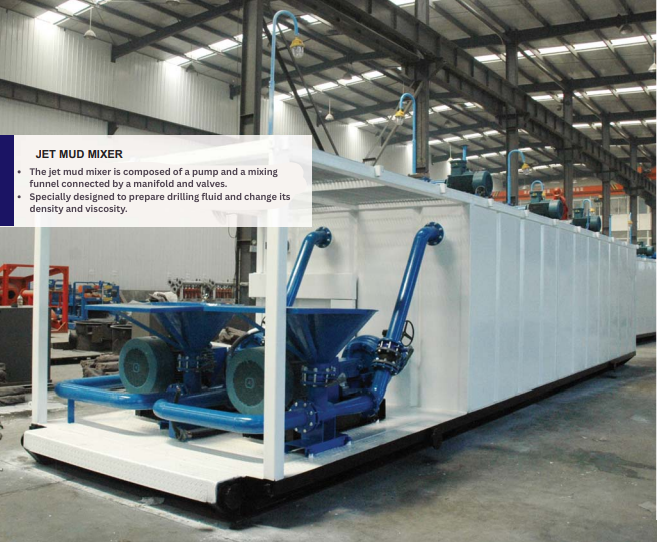
The Drilling Fluid Jet Mixer is a mud mixing funnel designed using the Venturi principle. Also known as a Venturi drilling mud mixing hopper, its main components include a nozzle, mixing chamber, Venturi tube, feeding hopper, butterfly valve, and sand pump or shear pump. The drilling mud mixing hopper is widely used in oil drilling, solids control, trenchless construction, and other applications. It mainly helps operators prepare drilling fluid and adjust key properties such as density, viscosity, and water loss. It is one of the specialized oilfield equipment for weighting drilling fluid. The jet mud mixer is equipped with sand pumps and pipelines to form a jet mixing device. KOSUN offers high-performance drilling mud mixing hoppers engineered for efficient mud preparation and conditioning.

Working Principle of Drilling Fluid Jet Mixer

After the nozzle ejects the liquid, the liquid flows through the mixing chamber and enters the shear tube. Add the material to the mixing chamber through the funnel. The nozzle-driven liquid flow then carries the material into the shear tube, where the material disperses and mixes with the liquid. The liquid flows out of the shear tube and enters the circulation tank.

The shear tube is a hollow tube that gradually expands according to a certain curved surface. Its main function is to increase the shear force of the liquid inside the tube, which helps disperse the material more effectively. The mixed liquid then flows into the circulation tank.

The shear tube actually uses the Bernoulli effect of “fast flow, low pressure; slow flow, high pressure.” Because the nozzle sprays the liquid from the mixing chamber at high speed, the pressure drops as the liquid exits the nozzle. When the liquid enters the shear tube, the cross-sectional area gradually increases, reducing the flow velocity and increasing the pressure.

KOSUN Drilling Fluid Jet Mixer are engineered with precision components to ensure optimal mixing efficiency and consistent fluid properties.

Installation of Drilling Mud Mixing Hoppers

After mixing, the drilling fluid creates significant pressure loss. Therefore, it should discharge the mixed drilling fluid directly into the drilling fluid tank. Install the hopper on top of the drilling fluid tank, or at another elevated position, to allow the mixed drilling fluid to flow directly into the tank without requiring it to climb.

When installing the drilling mud mixing hopper at an elevated position, use a hoist or cantilever crane to lift the drilling fluid materials to the hopper.

When installing the drilling mud mixing hopper at a low position, design a suitable climbing angle and connect the outlet directly to the drilling fluid tank. This configuration helps prevent drilling fluid from overflowing from the funnel.

The Drilling Fluid Jet Mixer typically uses an electric mixing pump for direct drive. If the mixing effect is poor, adjust the distance between the hopper nozzle and the outlet end to achieve optimal mixing performance.

Conclusion

The Drilling Fluid Jet Mixer is an essential component of modern solids control systems, enabling precise control of drilling fluid properties through efficient mixing and shearing. By understanding its working principle and proper installation practices, operators can maximize mixing efficiency and maintain optimal drilling fluid performance. KOSUN provides reliable drilling mud mixing hoppers designed for long-lasting performance in demanding drilling environments.

Slurry Separation Plant: Essential Solutions for TBM Tunnel Efficiency

The Importance of Slurry Separation Plants for Tunnel Boring Machines

Tunnel construction has become an essential aspect of modern infrastructure development, allowing for the creation of subways, highways, and utility tunnels without disrupting surface activities. A critical component of this process is the Tunnel Boring Machine (TBM), which excavates tunnels through various geological conditions. One of the significant challenges faced during tunneling operations is the management of excavated material, commonly referred to as slurry. This is where a slurry separation plant comes into play, playing a vital role in the efficient and environmentally responsible management of excavated materials.

A slurry separation plant is designed to process the mixture of soil, rock, and water produced by the TBM during excavation. The slurry is typically used in conjunction with Earth Pressure Balance (EPB) TBMs or slurry shield TBMs. These machines use the slurry to maintain pressure at the tunnel face, counteract groundwater ingress, and transport excavated material away from the machine. However, to continue efficient tunneling operations, the slurry must be treated and reused. KOSUN offers advanced slurry separation plants engineered for high-performance TBM operations.

How a Slurry Separation Plant Works

Screening involves passing the slurry through screens that filter out larger particles. The remaining slurry then moves to settling tanks, where sedimentation occurs. In this phase, the heavier solids settle at the bottom of the tank, forming sludge that operators can dispose of or process further. Meanwhile, the system collects clarified water from the top and reuses it in subsequent tunneling operations.

Treatment systems may also use filtration processes, especially when finer particles require separation from the water. Advanced filtration systems, such as membrane filters, can achieve a high level of purity, ensuring that the recycled water meets the required standards for reuse. Companies can manage treated solid waste in several ways, depending on its composition, including stabilization, recycling, or safe disposal according to local regulations.

Benefits of a Slurry Separation Plant

The benefits of implementing a slurry separation plant in tandem with TBM operations are manifold.

Firstly, the recycling of water significantly reduces the demand for fresh water sources, which is particularly beneficial in regions where water scarcity is a concern. Secondly, effective handling of excavated materials minimizes the risk of environmental contamination and adheres to strict regulations concerning soil and water quality. Additionally, the efficient management of slurry can lead to cost savings in disposal fees and reduce the environmental footprint of construction activities.

Moreover, the use of a slurry separation plant enhances the operational efficiency of TBM-related projects. By allowing for a continuous and automated treatment process, these plants can keep up with the high rate of excavation, reducing downtime and improving productivity. As the global focus on sustainable development intensifies, the construction industry finds itself compelled to adopt cleaner technologies and methods. Slurry separation plants represent a forward-thinking approach to resource management, aligning with broader environmental goals.

KOSUN equips its slurry separation plants with advanced automation and high-efficiency separation technologies to maximize water recovery and minimize waste.

Conclusion

In conclusion, a slurry separation plant is integral to the successful operation of tunnel boring machines. It provides an effective solution to manage excavated materials, highlights the importance of recycling, and contributes to the sustainability of tunneling projects. As infrastructure development continues to grow, the role of these plants will become increasingly crucial, ensuring that the construction industry adheres to environmental standards while meeting the demands of modern society. The evolution and improvement of slurry separation technology will undoubtedly play a significant part in shaping the future of underground construction. KOSUN provides high-performance slurry separation plants and expert support, helping customers achieve their operational and environmental goals.