
The oil and gas industry faces increasing challenges in efficiently extracting and processing crude oil and natural gas. A centrifuge provides an effective solution by using centrifugal force to separate solids from liquids. It is widely used for dewatering, clarification, and separation of oils and drilling fluids. KOSUN offers a comprehensive range of centrifuges designed for high-performance separation in demanding oilfield applications.
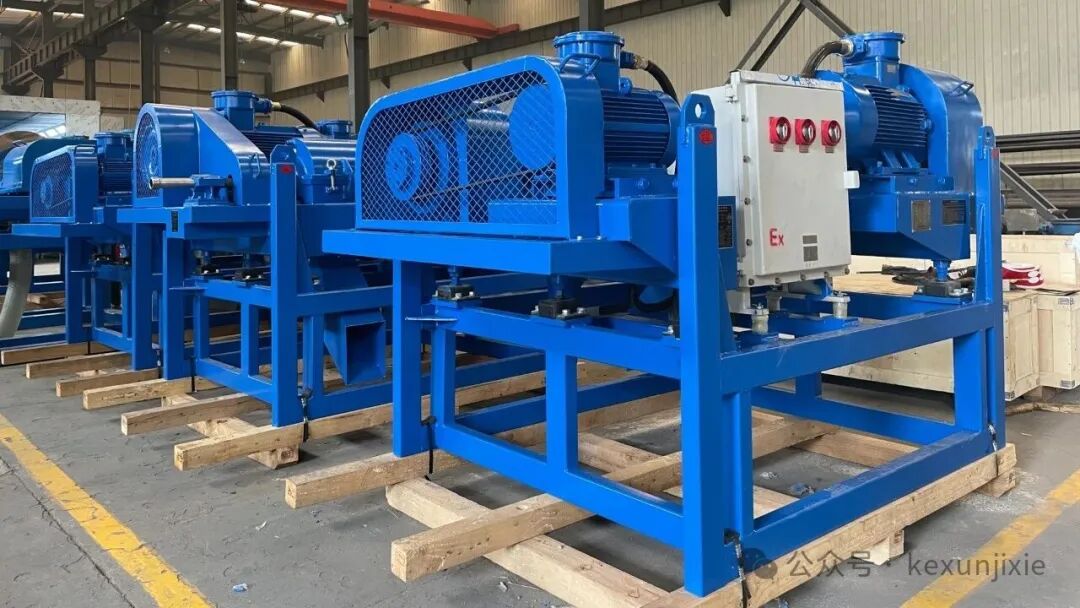
The Role of the Centrifuge in Oil and Gas Production
Centrifuges play an important role in oil and gas operations by separating components of mixtures according to density through high-speed rotation.
One of the main applications is dewatering. During extraction, oil and gas are often mixed with water. Centrifuges efficiently separate water from hydrocarbons, making crude oil easier to transport and process.
Centrifuges are also used for liquid clarification, removing impurities such as sand, solids, and water to improve oil quality. In addition, they separate drilling fluids from cuttings, allowing companies to recover valuable fluids, reduce waste, and improve drilling efficiency. KOSUN centrifuges are designed to handle complex separation tasks with reliability and high performance.
Why Centrifuges Are Essential for the Oil and Gas Industry
Centrifuges have become essential equipment due to their efficiency, versatility, and cost-saving benefits. They can process large volumes of fluids quickly, helping companies improve productivity and meet growing energy demands.
Their ability to perform multiple functions, including dewatering, clarification, separation, and waste management, makes them suitable for various oilfield applications.
Centrifuges also reduce operational costs by improving oil recovery, lowering transportation expenses, and minimizing waste disposal. By removing impurities and improving fluid quality, they help ensure that final products meet industry standards and maintain market value.
Sustainability and Environmental Benefits
Centrifuges support more sustainable oil and gas operations by reducing waste and improving resource recovery. They allow companies to separate valuable materials from drilling fluids and cuttings for reuse or proper disposal.
They also improve water management by separating water from crude oil, reducing freshwater consumption. By increasing efficiency and minimizing waste, centrifuges help lower energy use and greenhouse gas emissions.
Additionally, automated centrifuge systems reduce manual handling, improving workplace safety and limiting exposure to hazardous materials.
Risks, Challenges, and Best Practices
Although centrifuges provide many advantages, they require proper operation and maintenance. High-speed rotation and abrasive materials can cause equipment wear, resulting in downtime and repair costs.
Operators need adequate training to ensure efficient performance and handle potential issues. Proper treatment and disposal of separated oily sludge are also necessary to prevent environmental contamination.
To maximize performance, companies should invest in reliable equipment, regular maintenance, operator training, and technical support. KOSUN provides comprehensive services to help customers extend equipment lifespan and achieve efficient operations.
Conclusion
Centrifuges are essential for modern oil and gas operations, helping companies improve separation efficiency, reduce waste, manage resources, and enhance safety. With proper maintenance and operation, centrifuges contribute to more efficient and sustainable oilfield production.
KOSUN is committed to providing high-performance centrifuges and professional support to help customers achieve their operational and environmental goals.