
Centrifuge Water Purification: How It Works and Where It’s Used

What Does a Centrifuge Do?

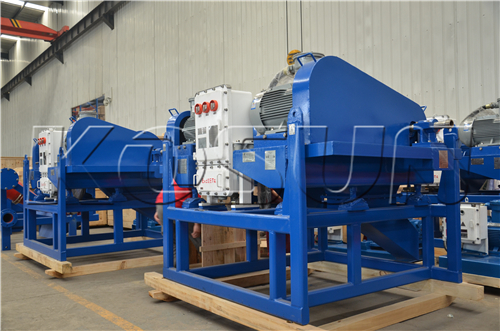
A centrifuge is a machine that uses centrifugal force at high speeds to separate different components based on their densities. It separates solids and liquids quickly and efficiently, making it a valuable device for industries involved in food processing, biotechnology, pharmaceuticals, oil production, and many other sectors. The oil and gas industries, in particular, benefit significantly from the centrifugation process. KOSUN offers high-performance centrifuges engineered for demanding industrial applications.
Is It Possible to Purify Water with a Centrifuge?

Yes, it is possible to purify water using a centrifuge! The centrifuge separates impurities such as dirt, sediment, and microorganisms from the water during water purification in a process known as centrifugal clarification. Purification removes contaminants that could interfere with machinery operations or, on evaporation, leave residues on equipment.

How Is Purified Water Used?

Purified water has many industrial applications, including autoclaves, surgical handpieces, laboratory testing, laser cutting, and electronics.

In the power generation industry, purified water serves as a coolant for power plant boilers and turbines. The water transfers heat and removes it from the system, helping to maintain equipment efficiency and prevent damage. The electronics industry also utilizes purified water, particularly in semiconductor fabrication, where it rinses silicon wafers and removes particles and impurities that can cause defects in the final product.

How Clean Is the Water from a Centrifuge?

The cleanliness and purity of the water depend on several factors, such as the type of centrifuge being used, the size of its components, and the type of liquid being filtered. Additionally, any contamination during or after use can compromise the purity of the filtered water.

Most modern centrifuges have built-in safety features designed to reduce these risks while providing clean water products with minimal effort. Furthermore, proper maintenance and frequent quality-control checks ensure that any contaminants are removed before purified water is released into production systems or distribution channels.

Can a Centrifuge Act as a Filter?

Yes, a centrifuge can be used as a filter in specific applications. In a centrifuge, a liquid mixture is placed in a container (called a rotor) that spins at high speeds. The centrifugal force generated by the spinning separates the mixture’s components based on their densities, with heavier elements moving to the outer edge of the rotor and lighter components remaining closer to the center. By removing the elements at the outer edge, the centrifuge can effectively “filter” out the heavier components from the mixture. This process is commonly used in biotechnology, medical and chemical laboratories, and oil and gas production.

Advantages of Using a Centrifuge in the Oil and Gas Industries

Centrifuges help the oil and gas industries separate fluids and particles by exploiting differences in the density of their components. For example, oil companies use centrifuges to remove water and sediment from crude oil.
Gas industries also use centrifuges to separate oil and water from produced water, water brought to the surface during oil and gas production, typically contaminated with oil and other impurities requiring treatment before disposal or reuse.

The main advantages of using centrifuges in the oil and gas industry include:

Efficiency: Highly efficient in separating different fluids and particles, improving the overall production process.

Cost savings: Reduces costs by reducing the need for additional equipment or processes.

Environmental benefits: Reduces environmental impact by reducing waste. Centrifugal cleaning helps industries recycle used oil, with an estimated 380 million gallons recycled each year.

Safety: Improves safety by reducing the need for manual handling of fluids and particles.

Quality: Improves the quality of oil and gas produced by removing impurities and ensuring the final product meets industry standards.

Conclusion

Centrifuges are a vital tool for purifying large amounts of water. They provide an effective and efficient way to remove sediment and impurities from water, making it suitable for use across many industries, including mining, oil and gas production, agriculture, research, and electronics. This technology plays an essential role in protecting health and safety worldwide. KOSUN remains committed to delivering high-performance centrifuge solutions and expert support that help customers achieve their operational goals.
KOSUN MA Series Mud Agitator: Reliable Mixing for Drilling Fluid Stability

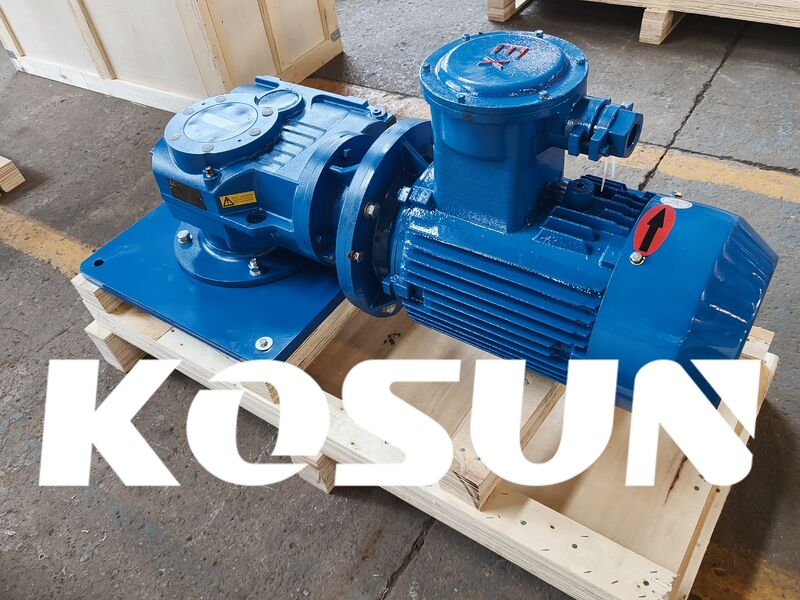
In oilfield drilling, the mud agitator is one of the most important components mounted on the drilling fluid tank within a solids control system. Its role is straightforward but essential: keep drilling fluid continuously mixed and solid particles suspended, so fluid properties remain uniform throughout circulation. The KOSUN MA Series Mud Agitator is purpose-built for petroleum drilling fluid mixing, helping operators maintain stability and consistency from spud to total depth. KOSUN offers this series engineered for dependable performance in demanding drilling environments.

Turbine Mud Agitators for Drilling Fluid Mixing

Turbine mud agitators have become a standard choice in drilling fluid systems because they handle a broad range of fluid viscosities while delivering efficient mixing. Two main configurations dominate the market:

Open turbine agitators: featuring straight, inclined, or curved blades

Disc turbine agitators: featuring blades mounted on a disc structure

Both designs generate strong fluid circulation, making them well-suited for liquid-solid suspension and liquid mixing in low- to medium-viscosity fluids.

Key Features of the KOSUN MA Series Mud Agitator

The KOSUN MA Series Mud Agitator brings together several design strengths:

Compact structure with a small installation footprint

Efficient turbine mixing that keeps solids evenly suspended

High torque transmission using a turbine-worm gear reducer (for units above 7.5 kW)

Stable and reliable operation in demanding drilling environments

These features combine to deliver consistent agitation performance while minimizing space requirements on the mud tank.

Conclusion

Mud agitators play a crucial role in oilfield solids control systems, ensuring drilling fluid remains uniformly mixed and solids remain suspended. The KOSUN MA Series Mud Agitator is designed specifically for drilling fluid mixing applications. With its compact design, efficient turbine mixing structure, and high-torque transmission system, it provides reliable and effective agitation for drilling fluid tanks. By maintaining consistent drilling fluid properties, the KOSUN mud agitator contributes to improved drilling efficiency, operational stability, and solids control performance. KOSUN is committed to providing high-performance mud agitators and expert support to help customers achieve their operational goals.

How Solids Control Equipment Boosts Drilling Efficiency and Protects Assets

In modern energy exploration, drilling efficiency depends on effective fluid management. Drilling fluid serves as the critical link between rig mechanics and subsurface geology. As the drill bit generates cuttings, these particles can disrupt fluid performance and increase operational risks. Therefore, high-quality solids control equipment plays a vital role in maximizing productivity and minimizing non-productive time. KOSUN offers advanced solids control equipment engineered to elevate drilling rig performance in the most demanding environments.

The Mechanical Foundation of Efficient Drilling Solids Control

The impact of drilling solids control becomes clear when considering the effects of poor fluid quality. Recirculated solids act as abrasive material, accelerating wear on pumps, drill strings, and MWD tools. Effective solids control relies on a staged separation process that removes particles by size.

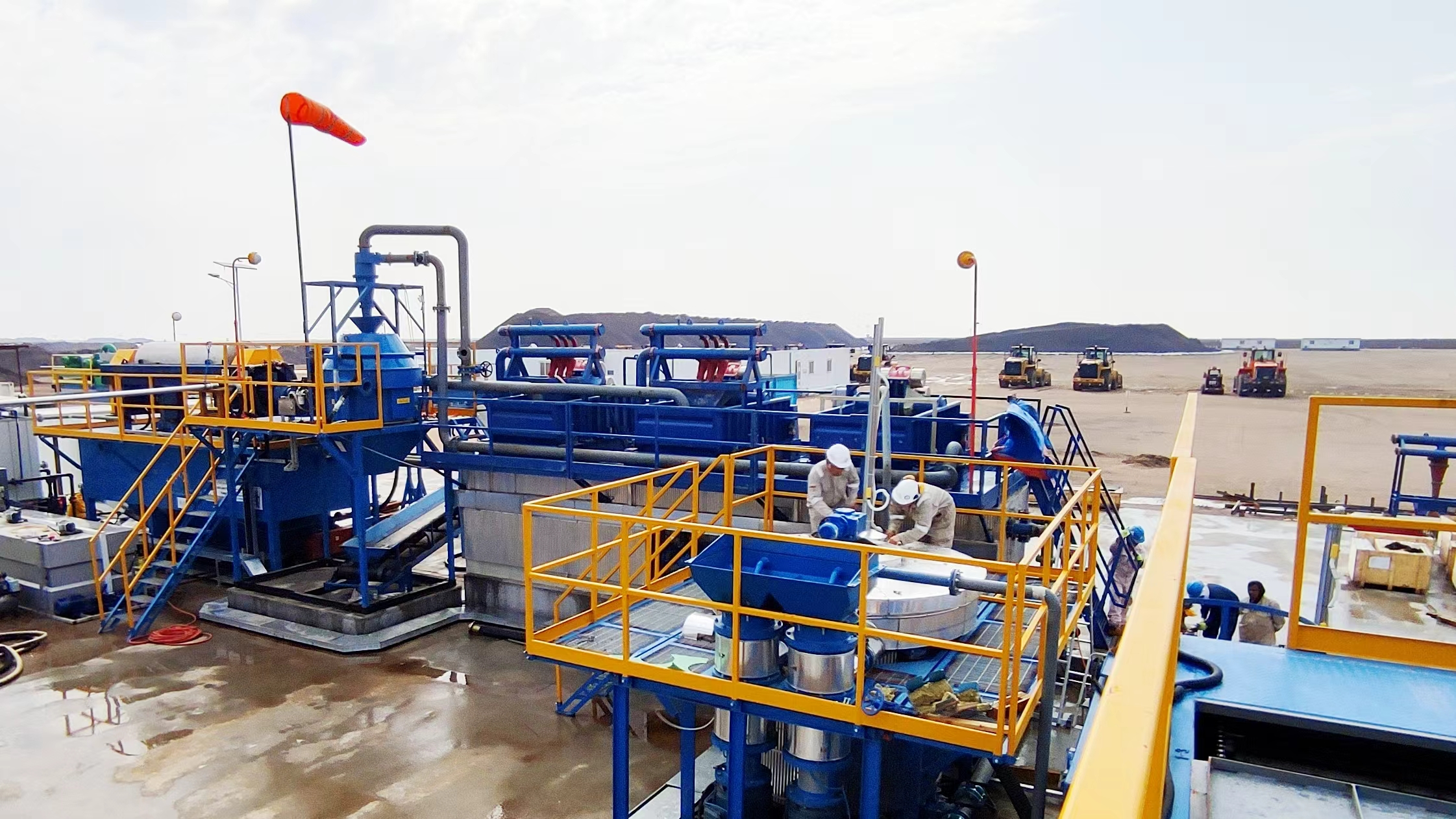
The process begins with shale shakers that remove larger cuttings, followed by hydrocyclones and centrifuges that target finer solids. Maintaining low solids content allows drilling mud to circulate efficiently while retaining enough carrying capacity for cuttings transport. Cleaner mud also reduces chip hold-down, helping the bit achieve higher penetration rates.

Maximizing Hydraulic Efficiency with Mud Cleaner Drilling Rig Systems

A mud cleaner drilling rig treats fluid cleaning as a critical component of drilling performance. Mud cleaners combine desanders, desilters, and fine screens to improve fluid quality, particularly in deepwater operations where drilling fluids represent a major investment.

Hydrocyclones concentrate solids into an underflow stream that passes across fine screens, enabling barite recovery while removing unwanted particles. The result is reduced torque and drag, improved lubricity, lower fuel consumption, and more efficient drilling operations.

Asset Protection Through Advanced Solids Control Systems

Comprehensive solids control systems not only improve drilling efficiency but also protect expensive equipment. Excess solids accelerate wear on mud pump liners, pistons, and valves, increasing maintenance costs and downtime.

Modern systems use automation and real-time monitoring to optimize separation performance. Sensors track particle removal efficiency and automatically adjust operating parameters when solids loading increases. This reduces human error, extends equipment life, and helps protect bottom-hole assemblies from abrasive damage. KOSUN’s advanced solids control systems are designed with these capabilities to maximize asset protection.

Improving Wellbore Stability with Superior Solids Removal

Proper solids removal also contributes to wellbore stability. When fine solids accumulate, they can create a thick filter cake that increases the risk of differential sticking and other costly drilling problems.

High-performance separation equipment helps maintain a thin, impermeable filter cake that limits fluid invasion and preserves borehole integrity. The result is smoother tripping operations, easier casing runs, and improved overall drilling performance.

The Future of Digital Solids Control

The next generation of solids control systems will incorporate intelligent automation and predictive analytics. Machine learning technologies will enable equipment to anticipate solids-loading changes based on geological conditions and adjust automatically.

These innovations will further reduce equipment wear, improve fuel efficiency, enhance environmental performance, and support wellbore stability. As drilling environments become increasingly complex, effective solids control will remain a key driver of operational success. In today’s competitive industry, cleaner mud often translates directly into faster, more efficient drilling.

Conclusion

Modern solids control equipment is essential for maximizing drilling rig performance. By removing harmful solids, protecting equipment, and maintaining wellbore stability, it reduces costs, improves efficiency, and ensures safer operations. KOSUN is committed to providing high-performance solids control solutions and expert support to help customers achieve their operational goals.