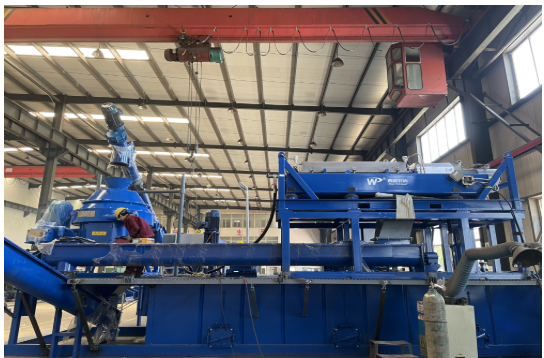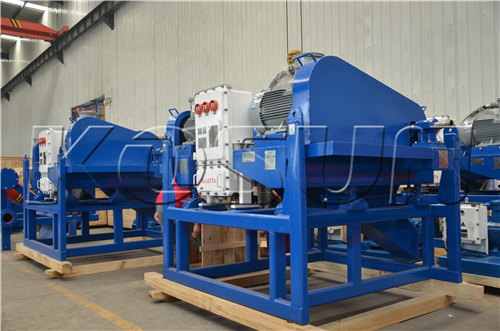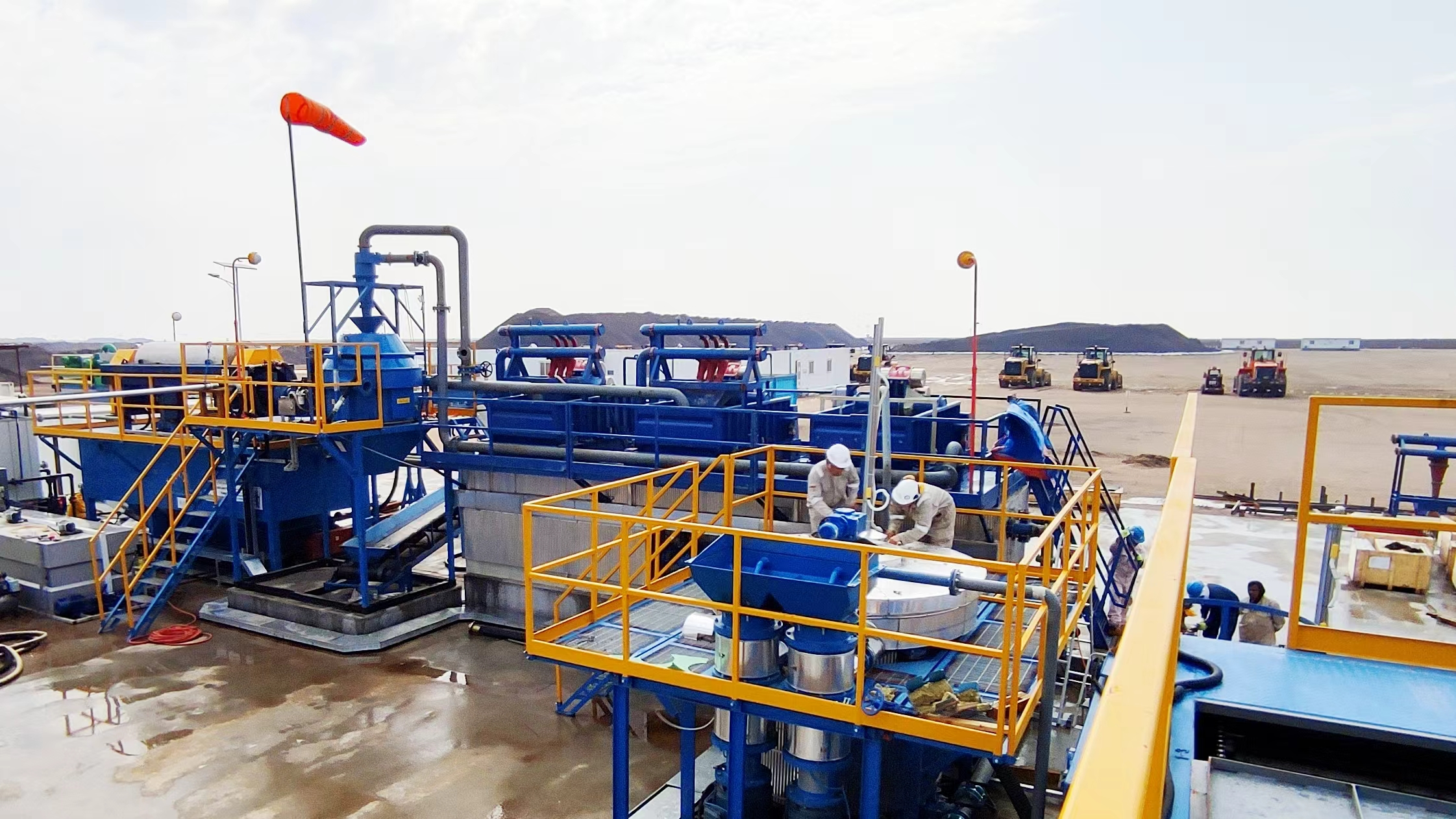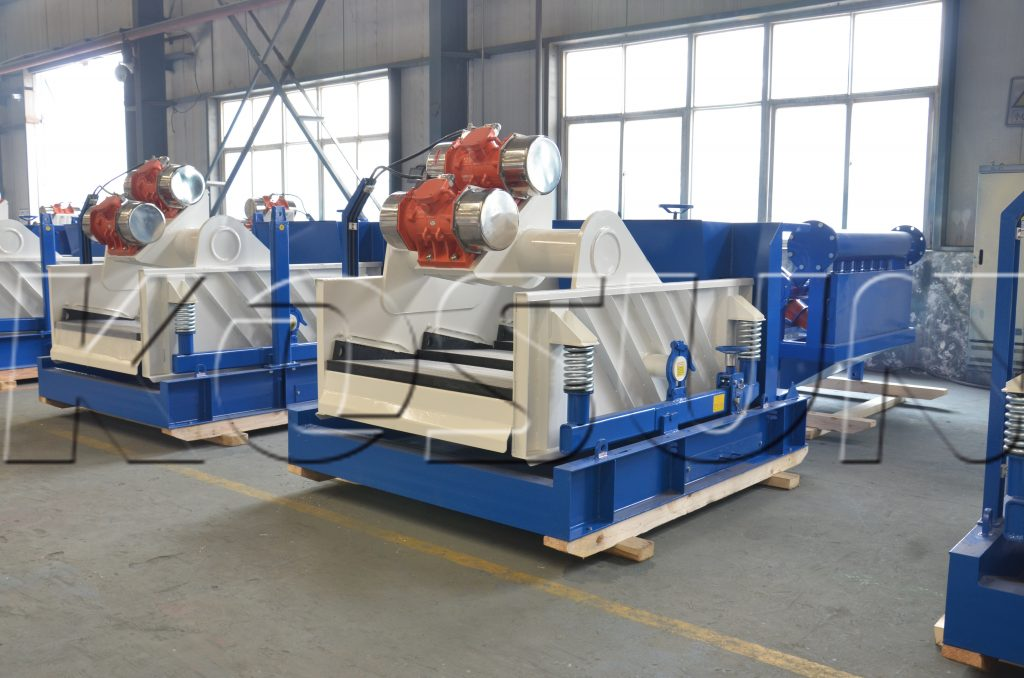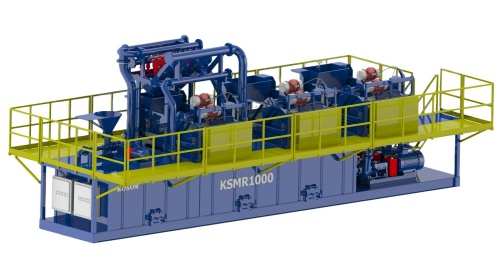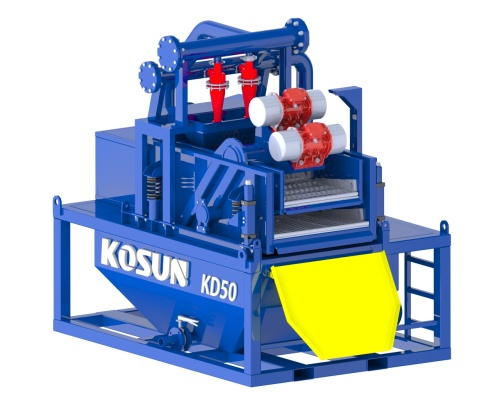
A shale shaker is one of the essential pieces of solids control equipment required to treat drilling mud. Not only does it reduce the volume of solid waste, but it also prepares the mud for reuse downstream. Yet the performance of the entire machine hinges on one component: the shale shaker screen. This screen plays a decisive role in how well the device functions, which is why its quality, strength, and design must be precisely matched to the application. KOSUN manufactures high-performance shale shaker screens engineered for durability and separation accuracy.
How to Identify an Ideal Shale Shaker Screen
The shale shaker is the most important regenerative structural device in the mud circulation loop, and its screen is what makes separation possible. The screen mesh contains millions of openings. Any particle larger than a mesh opening remains on top of the screen, while the fluid and finer particles pass through. This creates a filtration channel: the drilling fluid drains straight to the mud tank for further purification, while lumpy solids and rock chips stay above the mesh.
Because the screen vibrates continuously, larger solids are conveyed off the surface and into the screen basket. Several factors — gravity, fluid consistency, and vibration characteristics — come into play here. If the screen is not chosen correctly, operators risk losing drilling fluid, overloading the system, or causing premature pump failure.
Careful selection is therefore essential. The screen measurement must align with the size of solids you intend to remove, since hole diameter and impurity size come in a wide range of arrangements. KOSUN helps operators match screen specifications to their exact drilling conditions.
Types of Shale Shaker Screens
Different screen types serve different applications. Depending on the machine and operational needs, the required screen type changes. Common categories include:
- Hook and bar flat screens
- Steel frame screens
- Prismatic cone screens
- Filler screens
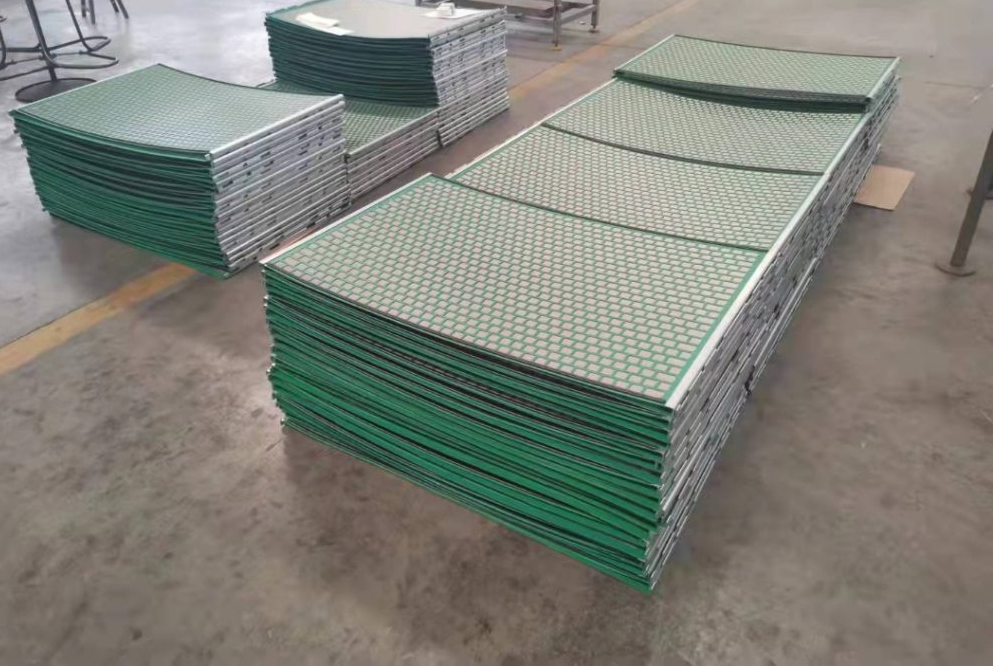
Each frame type carries distinct features and structural characteristics, supporting different material screening sizes. The steel frame — the most popular and widely used option — consists of a steel frame paired with three layers of chrome steel mesh, bonded firmly by welding or bolts.
Key Characteristics of Quality Shale Shaker Screens
To select the right screen type, operators should understand its defining characteristics. A quality shale shaker screen delivers high strength and agility. Its mesh offers very high load capacity, allowing it to clarify heavier solids quickly. The pyramid design occupies substantial space, which helps collect screened particles efficiently.
Flexibility is another important trait — the mesh must flex without failing. The screen also features a specifically designed hook, along with flat bar products offering long durability and rigid, robust supporting branches. It is also cost-effective, aligning with cost-cutting objectives. When choosing a screen design, ensure it fulfills these essential criteria. KOSUN’s screens are manufactured to meet all of them.
Matching Screen Design to Capacity Requirements
The shape and size of shale shaker screens can be customized to meet specific customer requirements, and screen surface area can vary. When industries need higher processing capacity, they can choose screens with larger contact areas. The increased surface area allows more drilling fluid to be cleaned per cycle.
However, flat screens tend to lose efficiency as clogging risk rises, sometimes requiring manual intervention. That is why wavy screens are often the better choice — they support better cleansing. If a flat screen is required, choosing a smaller size is advisable, since smaller flat screens are easier to use and more efficient than larger ones.
Mesh size is another critical decision. It is measured by the number of holes per square inch. Two different mesh sizes will produce cuts at different points, while similar-sized mesh can cause drilling issues — because particle sizes and shapes vary depending on the cutting style and strata being targeted.
Applications of Shale Shaker Screens
Shale shaker screens are used across drilling equipment applications. Their primary function is to remove large solids from drilling mud — the first step in the rig’s solids control system. While their main use is in upstream oil and gas, they also appear in mining, coal cleaning, and other industries. A standard shaker includes a basket, vibrator, feeder, and other components, with hole sizes ranging across API screen numbers.
In the oil and gas industry, shale shakers play an extensive role in extracting crude oil and natural gas from underground reservoirs. This work requires frequent equipment changes, as components wear and fail quickly under demanding conditions. Drilling fluid is a costly resource that cannot simply be discarded, so operators rely on shale shaker screens to recover and recirculate it.
This is why screen shakers save significant money and improve resource management. Pumping fluid through the shale shaker screen returns it to the well for reuse, reducing disposal requirements and supporting better regulatory compliance.
As crucial solids control equipment, shale shaker screens are the only tool available for handling changing fluid conditions and characteristics. A shaker screen also helps regenerate larger volumes of drilling fluid, recovering a considerable amount by the end of the cycle. In addition, the screen must manage the circulation rates of the complete process and remain capable of processing large fluid volumes. Across all industries, the shale shaker screen is the device that separates particles according to size.
Conclusion
The shale shaker removes large solids — primarily those above 75 microns — and regenerates drilling fluid. It relies on vibrating sieves that filter mud from the tank, and in this process, the screen plays the decisive role. Screen size governs the separation capability of any shale shaker, determining what particle sizes can be removed.
Mud separation begins with vibration: the screen vibrates from below, spreading particles across its surface. Smaller particles pass through, while larger ones remain on top. This residual is conveyed to the mud tank or disposer. Both shape and size matter — size is determined by the number of holes per square inch, while curved screens are generally considered more efficient than flat ones. KOSUN manufactures shale shaker screens in multiple configurations to match any rig requirement, backed by expert technical support.