Slurry Separation Plant: Essential Solutions for TBM Tunnel Efficiency

The Importance of Slurry Separation Plants for Tunnel Boring Machines

Tunnel construction has become an essential aspect of modern infrastructure development, allowing for the creation of subways, highways, and utility tunnels without disrupting surface activities. A critical component of this process is the Tunnel Boring Machine (TBM), which excavates tunnels through various geological conditions. One of the significant challenges faced during tunneling operations is the management of excavated material, commonly referred to as slurry. This is where a slurry separation plant comes into play, playing a vital role in the efficient and environmentally responsible management of excavated materials.

A slurry separation plant is designed to process the mixture of soil, rock, and water produced by the TBM during excavation. The slurry is typically used in conjunction with Earth Pressure Balance (EPB) TBMs or slurry shield TBMs. These machines use the slurry to maintain pressure at the tunnel face, counteract groundwater ingress, and transport excavated material away from the machine. However, to continue efficient tunneling operations, the slurry must be treated and reused. KOSUN offers advanced slurry separation plants engineered for high-performance TBM operations.
How a Slurry Separation Plant Works

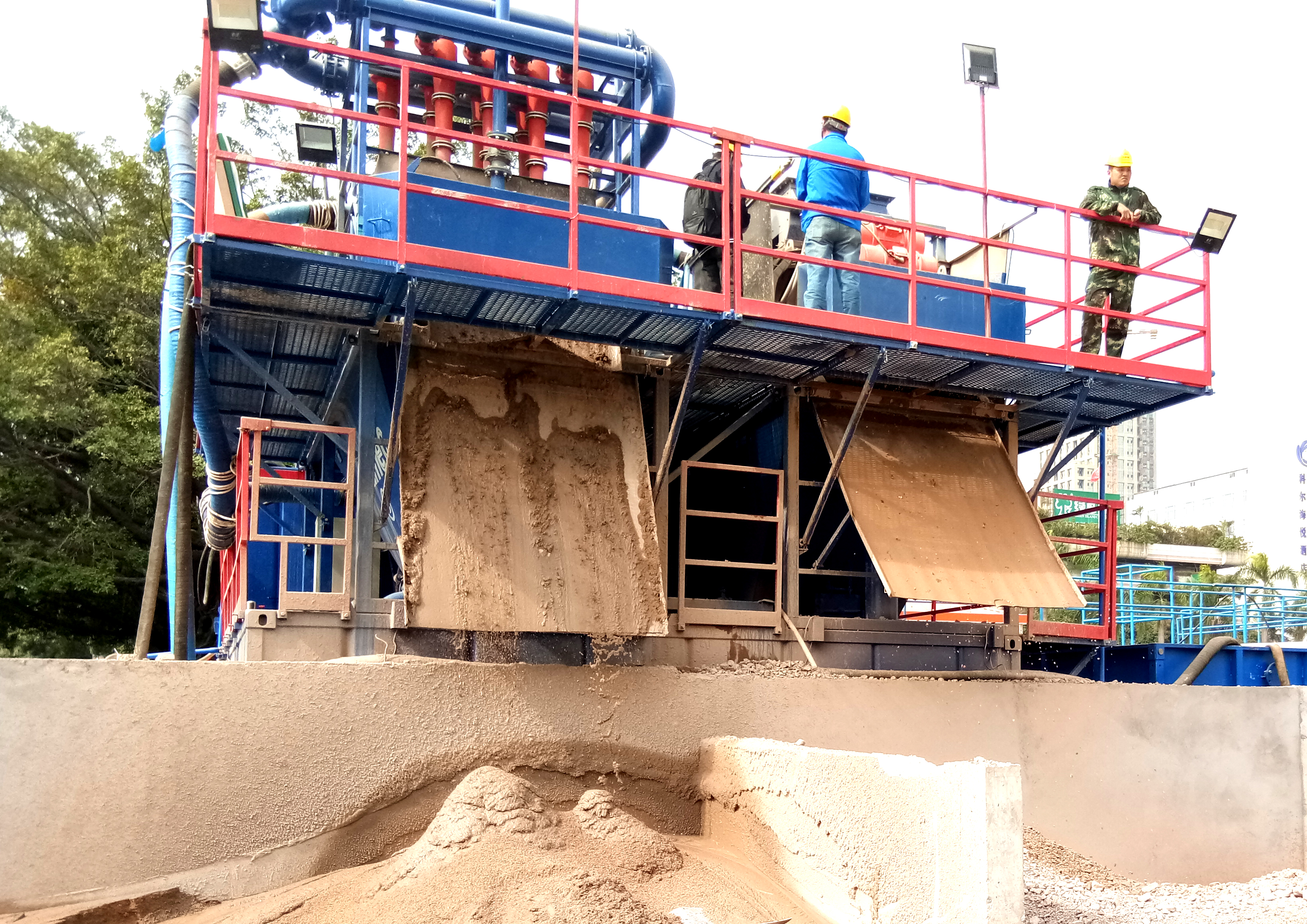
Screening involves passing the slurry through screens that filter out larger particles. The remaining slurry then moves to settling tanks, where sedimentation occurs. In this phase, the heavier solids settle at the bottom of the tank, forming sludge that operators can dispose of or process further. Meanwhile, the system collects clarified water from the top and reuses it in subsequent tunneling operations.

Treatment systems may also use filtration processes, especially when finer particles require separation from the water. Advanced filtration systems, such as membrane filters, can achieve a high level of purity, ensuring that the recycled water meets the required standards for reuse. Companies can manage treated solid waste in several ways, depending on its composition, including stabilization, recycling, or safe disposal according to local regulations.

Benefits of a Slurry Separation Plant

The benefits of implementing a slurry separation plant in tandem with TBM operations are manifold.

Firstly, the recycling of water significantly reduces the demand for fresh water sources, which is particularly beneficial in regions where water scarcity is a concern. Secondly, effective handling of excavated materials minimizes the risk of environmental contamination and adheres to strict regulations concerning soil and water quality. Additionally, the efficient management of slurry can lead to cost savings in disposal fees and reduce the environmental footprint of construction activities.

Moreover, the use of a slurry separation plant enhances the operational efficiency of TBM-related projects. By allowing for a continuous and automated treatment process, these plants can keep up with the high rate of excavation, reducing downtime and improving productivity. As the global focus on sustainable development intensifies, the construction industry finds itself compelled to adopt cleaner technologies and methods. Slurry separation plants represent a forward-thinking approach to resource management, aligning with broader environmental goals.

KOSUN equips its slurry separation plants with advanced automation and high-efficiency separation technologies to maximize water recovery and minimize waste.

Conclusion

In conclusion, a slurry separation plant is integral to the successful operation of tunnel boring machines. It provides an effective solution to manage excavated materials, highlights the importance of recycling, and contributes to the sustainability of tunneling projects. As infrastructure development continues to grow, the role of these plants will become increasingly crucial, ensuring that the construction industry adheres to environmental standards while meeting the demands of modern society. The evolution and improvement of slurry separation technology will undoubtedly play a significant part in shaping the future of underground construction. KOSUN provides high-performance slurry separation plants and expert support, helping customers achieve their operational and environmental goals.
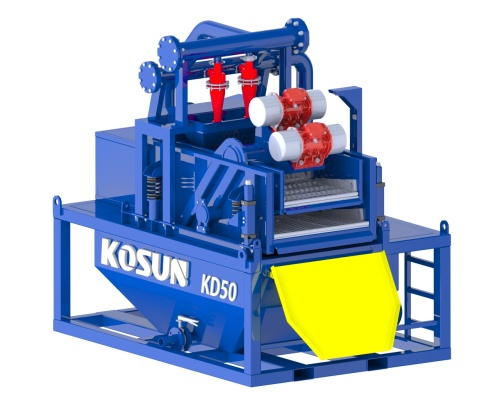
Slurry Separation System: Technical Application and Value Analysis for Construction

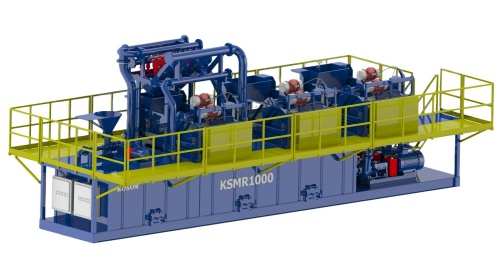
The rapid growth of urban infrastructure projects, including shield tunneling, deep piling, and trenchless piping, has made effective construction slurry management critical for maintaining project timelines and meeting environmental compliance requirements.The slurry separation system has emerged as the industry-standard solution for efficient solid-liquid separation. KOSUN offers advanced slurry separation systems designed to meet the demanding needs of modern underground construction.

Technical Core: Multi-Stage Solid-Liquid Separation Process

The slurry separation system is an integrated system of solids control units designed for slurry recycling and waste minimization:

Pre-treatment: Scalping screens remove bulk gravel and clay clumps to protect downstream equipment.

Sand & Silt Removal: Desander and desilter hydrocyclones utilize centrifugal force to separate medium-to-fine particles.

Dewatering: For high-clay slurry, chemical conditioning promotes flocculation. Decanter centrifuges and filter presses produce low-moisture filter cakes for easy disposal.

Fluid Reuse: Purified liquid is pumped back for immediate reuse, maintaining a closed-loop operation.

KOSUN’s slurry separation systems integrate high-quality components for reliable, continuous performance in demanding construction environments.

Professional Alignment with Industry Application Scenarios

Slurry separation systems offer high adaptability across four core underground engineering sectors:

Slurry Balance Shield (TBM)

The slurry separation system handles high flow rates while precisely controlling slurry density and viscosity to maintain stable face pressure. KOSUN’s systems are engineered for the demanding conditions of TBM tunneling.

Bored Piling

Provides compact, rapid-deployment solutions for rotary, reverse circulation, and impact drilling. KOSUN designs its piling systems for efficient solids control in confined urban sites.

Diaphragm Walls

Supports trenching with hydraulic grabs or cutters, ensuring slurry stability and trench quality. KOSUN’s diaphragm wall systems deliver consistent performance in challenging ground conditions.

Trenchless Construction

Rapidly purifies slurry in HDD and pipe jacking to minimize urban environmental impact. KOSUN designs its trenchless systems for mobility and efficiency in space-limited environments.

Value Realization: Compliance and Cost Optimization

Environmental Benefits

Slurry separation systems achieve waste minimization at the source, eliminating the pollution risks of traditional mud pits and meeting green construction standards.KOSUN designs its systems for closed-loop operation, minimizing environmental impact.

Economic Benefits

Recycling significantly reduces fresh water and bentonite costs. In addition, dewatered filter cakes reduce waste volume and transportation costs, improving overall operational efficiency.KOSUN’s systems deliver measurable ROI through reduced material consumption and disposal costs.

Conclusion

The slurry separation system is an essential component of modern underground engineering. Optimal system selection requires a scientific analysis of the excavation strata to balance performance and cost-effectiveness. KOSUN provides customized designs tailored to global geological conditions and specific onsite requirements, ensuring reliable performance and maximum value.

Best Practices for Operating Oilfield Mud Cleaning Equipment

Deep-well drilling requires precise surface fluid management. As drilling mud circulates through the wellbore, it returns carrying drilled solids, reactive clays, and abrasive sands. While shale shakers remove large cuttings, fine and ultra-fine particles often remain in the system. Mud cleaning equipment provides the secondary purification needed to remove these contaminants and maintain optimal mud performance.

Proper operation requires balancing fine-particle removal with the preservation of valuable drilling fluids and weighting materials. When managed correctly, mud cleaning equipment prevents the buildup of abrasive solids that accelerate wear on downhole tools, damage mud pumps, and reduce drilling efficiency.

Technical Performance of Mud Cleaning Equipment

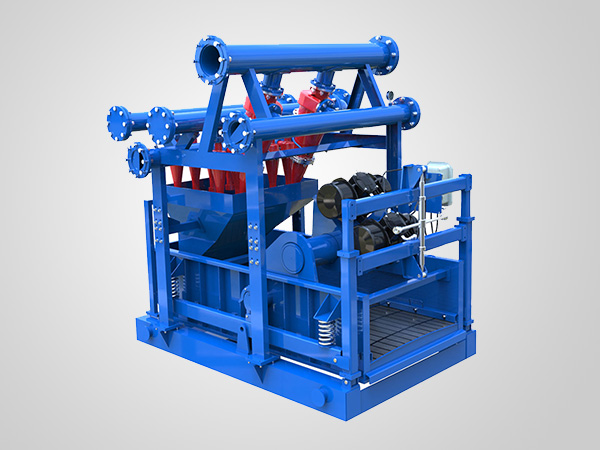
Modern mud cleaning equipment combines hydrocyclones with a high-frequency vibrating screen to provide efficient secondary solids control while minimizing equipment footprint.

Drilling mud is pumped into hydrocyclones, where centrifugal force separates heavier solids from the fluid. Clean mud exits through the vortex finder and returns to the active system, while concentrated solids discharge onto fine-mesh screens for final separation. This two-stage process effectively removes harmful sand and silt while retaining valuable weighting agents such as barite.

Optimizing Throughput Capacity

Peak performance depends on maintaining stable feed pressure throughout the system. Treating the mud cleaner as part of an integrated solids control process—not as a standalone unit—is essential.

Low feed pressure weakens the cyclone vortex, allowing unprocessed slurry to overload the screen panels, reducing efficiency and increasing mud losses. Excessive pressure creates turbulence that carries fine solids back into the clean mud stream. Maintaining a consistent, calibrated feed rate ensures efficient separation and reliable system performance.

Preventive Maintenance

Hydrocyclones operate under continuous abrasive conditions and require routine inspection to maintain separation efficiency.

Operators should regularly inspect cone interiors for wear, erosion, and inlet blockages that disrupt flow patterns. The discharge apex should produce a hollow umbrella-shaped spray. A thick, solid discharge, known as “roping,” indicates an overloaded or plugged cone that requires immediate cleaning to prevent screen damage and reduced performance.

Maintaining Structural Stability

The vibrating screen basket plays a critical role in equipment performance and screen life. A heavy-duty frame evenly distributes high G-forces, reducing structural stress and minimizing vibration.

Screen panels must be properly tensioned and fully supported to prevent premature mesh failure. Maintaining the correct deck angle and selecting the appropriate screen mesh for formation conditions improves solids removal, extends screen life, minimizes fluid loss, and supports efficient closed-loop mud recycling.

Conclusion

Mud cleaning equipment is essential for advanced drilling fluid purification. By maintaining stable operating conditions, optimizing feed pressure, performing regular hydrocyclone maintenance, and ensuring proper screen installation, operators can maximize separation efficiency, reduce equipment wear, minimize downtime, and improve overall drilling performance.

As a leading manufacturer of drilling solids control equipment, KOSUN Machinery delivers reliable, high-performance mud cleaning solutions. These solutions help oilfield operators improve operational efficiency, reduce environmental impact, and achieve safer, more cost-effective drilling operations.

Applications and Treatment of oil-based mud

Advantages and disadvantages of oil-based mud:

Advantages: strong inhibition, temperature, lubricity, anti-pollution ability, oil layer protection, fast mechanical drilling speed.

Disadvantages: expensive, difficult to deal with lost circulation, poor resistance to water invasion, great impact on cementing and electrical survey, environmental protection issues (inconvenient discharge), unsuitable for drilling gas exploration wells.

oil-based mud treatment equipment

The main applications of oil-based mud:

1) Drilling complex and troublesome shale; 2) Drilling high-temperature deep wells; 3) Drilling and coring of production zones; 4) Drilling salt formations, anhydrite formations, and miscellaneous salt formations; 5) Used as drilling fluid for directional wells ; 6) Used as a drilling fluid for slim holes; 7) Drilling formations containing H2S and CO2; 8) Used as perforation and completion fluid; 9) Used as a soaking fluid for releasing jam; 10) Used as a packing fluid; 11 ) Used as workover fluid; 12) Used as anti-corrosion control fluid; 13) Used as casing packer fluid.

How to deal with oil-based waste mud?

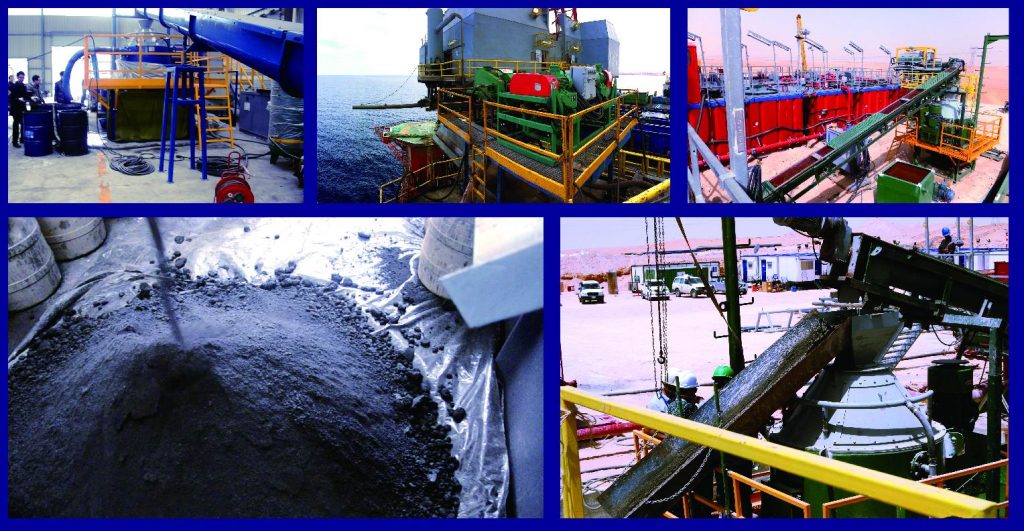
The effective treatment technology of oil-based waste mud is firstly to pass through the drilling shale shaker, desander and desilter integrated machine, centrifuge to discharge the mixture, after conveying, secondary screening, drying, centrifugal treatment, liquid phase slurry preparation and reuse, solid after solidification, discharge, air-drying, and other technological processes, the treated mud, water and other harmless substances can be recycled and reused. The waste can be used for landfill, road paving, well site construction, etc., and no direct pollution to the environment and potential environmental hazards. The treatment rate for the harmlessness and non-grounding of the mud discharged by the well team reaches 100%.

KOSUN is a professional oil-based mud treatment equipment manufacturer. KOSUN can customize efficient and economical drilling oil-based mud treatment equipment for customers according to the customer’s project site conditions. After the oil-based waste mud is effectively treated by KOSUN’s oil-based mud recovery and treatment system equipment , It can effectively retain the secondary reinjection and utilization of useful mud, and it also reduces the damage to the surrounding environment by on-site operations and meets the national environmental protection policy requirements for waste hazards.

KOSUN- China Solids Control Leader&Drilling Waste Management Expert
Email: sales2@adkosun.com
Wechat:+86 18792396268
Contact person: Lily Wang
Online consulting:
http://www.kosun.com
http://www.kosuneco.com