The Importance of Slurry Separation Plants for Tunnel Boring Machines
Tunnel construction has become an essential aspect of modern infrastructure development, allowing for the creation of subways, highways, and utility tunnels without disrupting surface activities. A critical component of this process is the Tunnel Boring Machine (TBM), which excavates tunnels through various geological conditions. One of the significant challenges faced during tunneling operations is the management of excavated material, commonly referred to as slurry. This is where a slurry separation plant comes into play, playing a vital role in the efficient and environmentally responsible management of excavated materials.
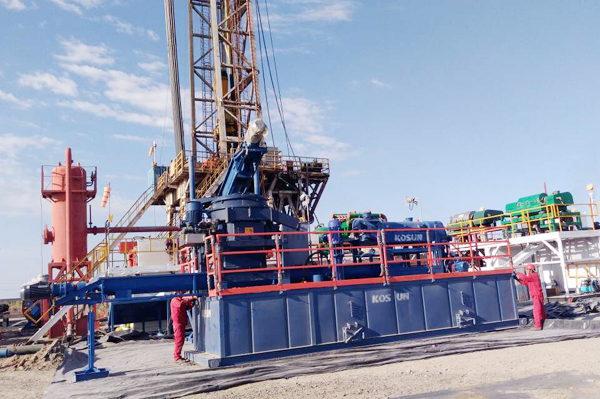
A slurry separation plant is designed to process the mixture of soil, rock, and water produced by the TBM during excavation. The slurry is typically used in conjunction with Earth Pressure Balance (EPB) TBMs or slurry shield TBMs. These machines use the slurry to maintain pressure at the tunnel face, counteract groundwater ingress, and transport excavated material away from the machine. However, to continue efficient tunneling operations, the slurry must be treated and reused. KOSUN offers advanced slurry separation plants engineered for high-performance TBM operations.
How a Slurry Separation Plant Works
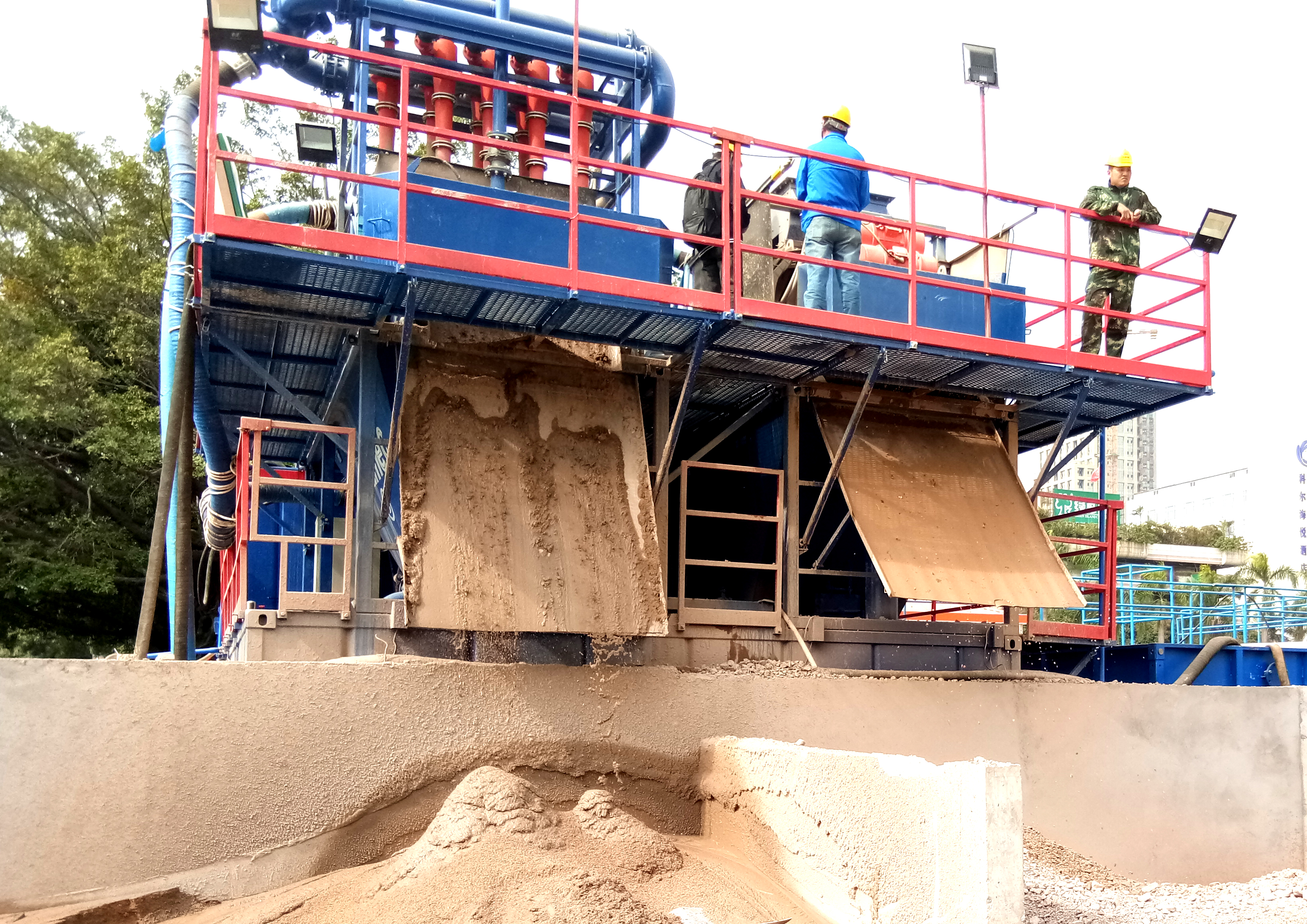
Screening involves passing the slurry through screens that filter out larger particles. The remaining slurry then moves to settling tanks, where sedimentation occurs. In this phase, the heavier solids settle at the bottom of the tank, forming sludge that operators can dispose of or process further. Meanwhile, the system collects clarified water from the top and reuses it in subsequent tunneling operations.
Treatment systems may also use filtration processes, especially when finer particles require separation from the water. Advanced filtration systems, such as membrane filters, can achieve a high level of purity, ensuring that the recycled water meets the required standards for reuse. Companies can manage treated solid waste in several ways, depending on its composition, including stabilization, recycling, or safe disposal according to local regulations.
Benefits of a Slurry Separation Plant
The benefits of implementing a slurry separation plant in tandem with TBM operations are manifold.
Firstly, the recycling of water significantly reduces the demand for fresh water sources, which is particularly beneficial in regions where water scarcity is a concern. Secondly, effective handling of excavated materials minimizes the risk of environmental contamination and adheres to strict regulations concerning soil and water quality. Additionally, the efficient management of slurry can lead to cost savings in disposal fees and reduce the environmental footprint of construction activities.
Moreover, the use of a slurry separation plant enhances the operational efficiency of TBM-related projects. By allowing for a continuous and automated treatment process, these plants can keep up with the high rate of excavation, reducing downtime and improving productivity. As the global focus on sustainable development intensifies, the construction industry finds itself compelled to adopt cleaner technologies and methods. Slurry separation plants represent a forward-thinking approach to resource management, aligning with broader environmental goals.
KOSUN equips its slurry separation plants with advanced automation and high-efficiency separation technologies to maximize water recovery and minimize waste.
Conclusion
In conclusion, a slurry separation plant is integral to the successful operation of tunnel boring machines. It provides an effective solution to manage excavated materials, highlights the importance of recycling, and contributes to the sustainability of tunneling projects. As infrastructure development continues to grow, the role of these plants will become increasingly crucial, ensuring that the construction industry adheres to environmental standards while meeting the demands of modern society. The evolution and improvement of slurry separation technology will undoubtedly play a significant part in shaping the future of underground construction. KOSUN provides high-performance slurry separation plants and expert support, helping customers achieve their operational and environmental goals.