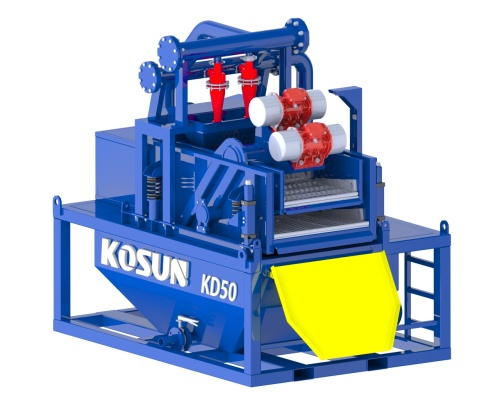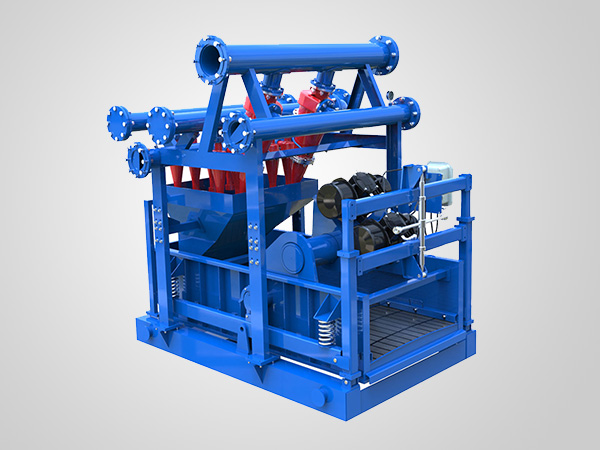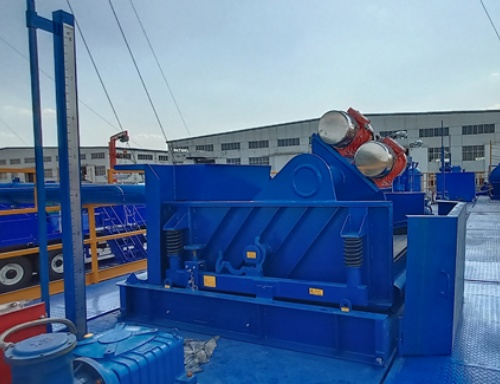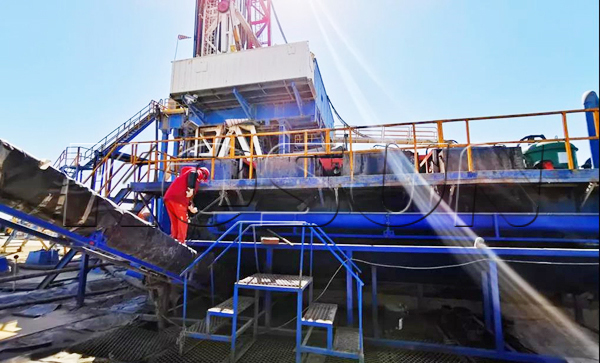
Shale shakers are the first line of defense in solids control for energy infrastructure projects. By efficiently separating drill cuttings from drilling fluid, they directly influence operational efficiency, environmental compliance, and cost management. In large-scale applications such as pipeline installations, well pad construction, and directional drilling, reliable solids removal is non-negotiable. These high-frequency vibrating screens condition drilling fluid for reuse, reduce waste volumes, and help maintain borehole stability. KOSUN offers rugged shale shakers engineered for reliable performance in demanding energy infrastructure projects.
Core Functions and Operational Benefits
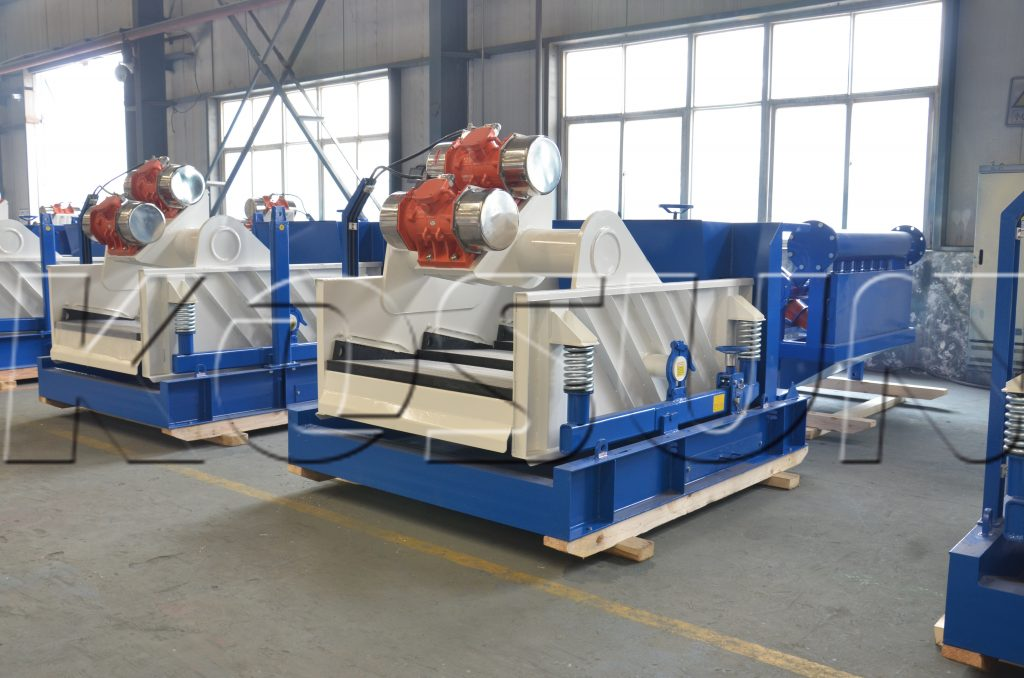
The primary function of a shale shaker is to separate solids from drilling fluid using high-frequency vibration. Larger cuttings are retained while clean fluid returns to the active mud system. This first line of defense protects downstream equipment — desanders, desilters, and centrifuges — from excessive wear and premature failure.
In remote energy projects where logistics are challenging, an efficient shale shaker reduces costly fluid dilution and disposal, minimizes environmental footprint, and lowers handling costs. Proper screening also improves on-site safety by managing slurry pits, reducing spill risks, and preventing hazardous cutting buildup. By optimizing solids removal, shale shakers deliver measurable gains in equipment longevity, safety, and cost efficiency.
Selection Criteria for Project Success
Choosing the right shale shaker requires evaluating several factors. Screen mesh size must match formation geology and balance fluid throughput with separation efficiency. Flow capacity must align with rig pumping output to prevent bottlenecks.
Motion type matters: linear-motion shakers excel with fine solids or sticky clays, while elliptical-motion shakers offer better fluid recovery under variable conditions. Durability features include robust 24/7 construction, tool-free screen replacement, and weather resistance. Environmental adaptability ensures reliable performance in extreme heat, cold, humidity, or dust — typical of large-scale pipeline and directional drilling projects.
Integration with Modern Drilling
Modern energy projects integrate shale shakers with digital monitoring systems. Sensors track vibration, flow rates, and screen integrity, delivering real-time data for predictive maintenance — identifying issues before they cause downtime. As drilling fluids become more complex, shale shakers must continually adapt to ensure optimal wellbore stability and consistent drilling progress.
KOSUN’s Commitment to Quality
KOSUN provides rugged shale shakers built for 24/7 operation . They deliver efficient separation, easy maintenance, and reduced waste, helping project managers achieve more with less environmental impact.
Conclusion
Shale shakers are indispensable for efficient solids control in energy infrastructure projects. By removing solids early, they protect downstream equipment, enable mud recycling, ensure environmental compliance, and prevent wellbore instability. With advances in screen technology, automation, and energy efficiency, modern shale shakers are essential for improving drilling performance and minimizing operational risks. KOSUN is committed to providing high-performance shale shakers and expert support to help customers achieve their project goals.